The marketing landscape evolves faster than ever. Consumer preferences shift, digital platforms introduce new features, search engines update their algorithms, and emerging technologies continue to transform how businesses communicate with customers. Rather than viewing change as a challenge, successful businesses treat it as a normal part of modern marketing.
Companies that embrace adaptability are better positioned to maintain visibility, strengthen customer relationships, and achieve sustainable growth. The goal is not to follow every trend but to develop strategies that allow for continuous improvement and adjustment when needed.
Stay Informed About Industry Trends
Keeping up with industry developments is essential for long-term marketing success. Businesses should regularly monitor market trends, competitor activities, customer behaviour, and updates from major digital platforms. This helps identify opportunities early and reduces the risk of being caught off guard by significant changes.
Industry publications, webinars, professional communities, and training programmes can all provide valuable insights. Staying informed enables businesses to make proactive decisions rather than reacting after changes have already affected performance.
Use Data to Guide Marketing Decisions
One of the most effective ways to adapt to marketing changes is by relying on data instead of assumptions. Analytics tools provide valuable information about customer behaviour, campaign performance, website traffic, and conversion rates. These insights help businesses understand what is working and where improvements are needed.
Regularly reviewing key performance indicators allows marketing teams to make informed adjustments and allocate resources more effectively. Data-driven strategies reduce guesswork and provide a stronger foundation for responding to market changes.
Focus on Customer Needs and Expectations
Customer expectations continue to evolve alongside technology and digital experiences. Today’s consumers expect personalised communication, fast responses, relevant content, and seamless interactions across multiple channels. Businesses that actively listen to their customers are better equipped to meet these expectations.
Gathering feedback through surveys, reviews, social media interactions, and customer support conversations can reveal valuable insights. Understanding customer concerns and preferences helps businesses refine their messaging, improve their offerings, and strengthen customer loyalty.
Invest in Ongoing Marketing Education
Marketing skills require continuous development to keep pace with industry changes. New tools, strategies, and platforms emerge regularly, making ongoing learning an important investment for both individuals and organisations.
Professional training resources such as JDM Courses digital marketing training programmes can help marketing teams stay current with industry best practices and develop practical skills that support business growth. A well-trained team is more confident, adaptable, and capable of implementing effective marketing strategies in a changing environment.
Build a Flexible Content Strategy
Content remains a cornerstone of successful marketing, but the way audiences consume content continues to evolve. Businesses should create content that provides genuine value while remaining flexible enough to adapt to changing trends and preferences.
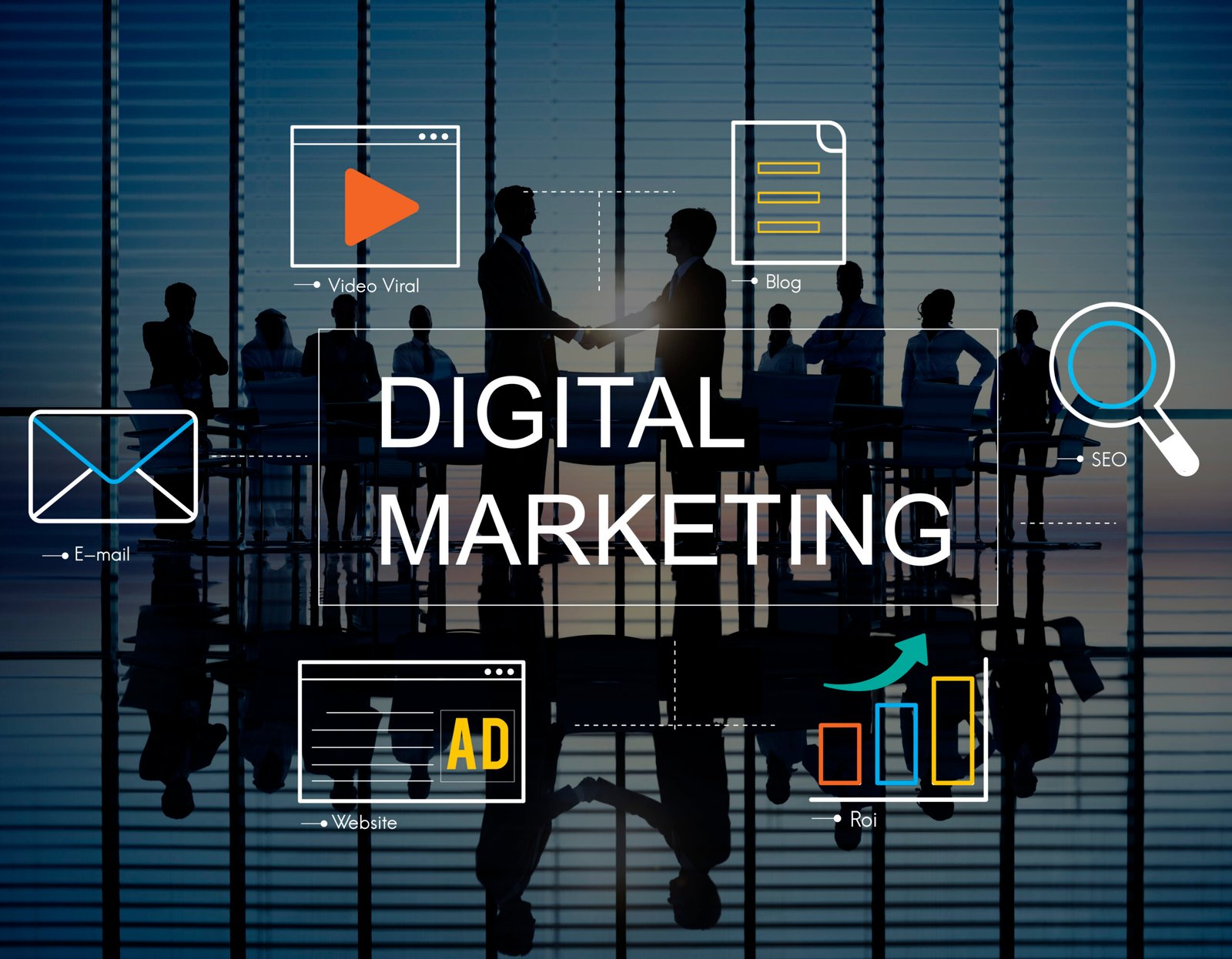
A diversified content strategy may include blog articles, videos, email campaigns, social media posts, podcasts, case studies, and downloadable resources. By distributing content across multiple channels, businesses can reach audiences wherever they prefer to engage and reduce dependence on any single platform.
Prioritise Long-Term SEO Best Practices
Search engine algorithms are constantly changing, but the fundamentals of effective SEO remain consistent. Businesses should focus on creating helpful, relevant, and authoritative content that addresses user needs rather than chasing short-term tactics.
Improving website performance, enhancing user experience, maintaining technical SEO standards, and publishing high-quality content can help businesses maintain strong search visibility over time. Organisations that prioritise long-term value are often more resilient when algorithm updates occur.
Embrace Technology Without Losing Strategy
Technology has become a vital part of modern marketing. Marketing automation platforms, customer relationship management systems, artificial intelligence tools, and advanced analytics solutions can improve efficiency and provide deeper customer insights.
However, technology should support business objectives rather than dictate them. The most successful businesses use technology to strengthen customer experiences, improve operational efficiency, and enhance decision-making while maintaining a clear strategic direction.
Encourage Testing and Experimentation
Marketing adaptation often requires a willingness to experiment. Businesses that regularly test new channels, campaign formats, messaging approaches, and audience segments can uncover valuable opportunities for growth.
Small-scale testing allows organisations to evaluate results before making larger investments. This approach reduces risk while providing real-world data that can guide future marketing decisions. Companies that foster a culture of experimentation are often better prepared to respond to changing market conditions.
Strengthen Team Skills and Collaboration
Marketing does not operate in isolation. Collaboration between marketing, sales, customer service, and leadership teams creates a more complete understanding of customer needs and business objectives. Sharing insights across departments can improve strategy development and help businesses respond more effectively to market changes.
Continuous professional development is equally important. Investing in educational opportunities such as JDM Courses professional marketing education can equip teams with the latest knowledge, tools, and techniques needed to remain competitive in a rapidly evolving industry.
Maintain Brand Consistency Through Change
While marketing tactics may evolve, a company’s brand identity should remain consistent. Customers value familiarity and trust, especially during periods of change. Maintaining clear brand messaging, visual consistency, and a strong value proposition helps businesses build long-term credibility.
A consistent brand presence ensures that customers continue to recognise and trust the business, regardless of how marketing channels or strategies evolve over time.
Take a Proactive Approach to Marketing
Businesses that wait for problems to appear before making adjustments often struggle to keep up with competitors. A proactive approach involves regularly reviewing performance, monitoring industry developments, and identifying areas for improvement before challenges arise.
By remaining flexible, customer-focused, and committed to continuous learning, businesses can confidently navigate marketing changes and position themselves for long-term success. Organisations looking to strengthen their marketing capabilities can Contact Us for expert marketing guidance and support to explore training and development opportunities that support future growth.