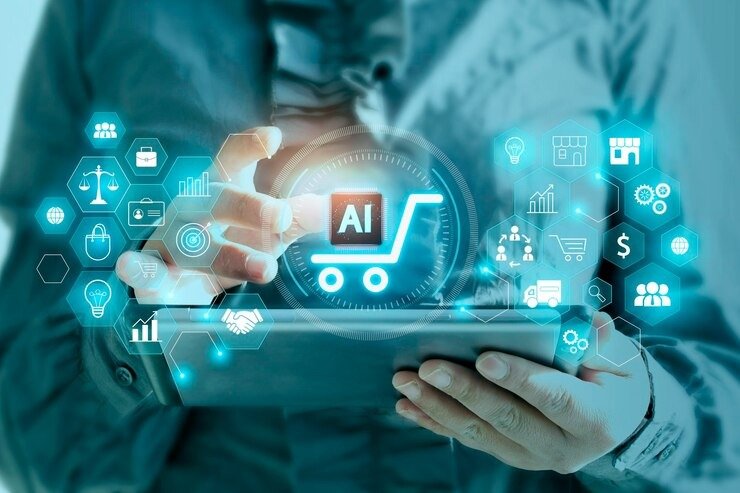
When I first started working in digital marketing, everything revolved around manual analysis—guessing audience intent, running A/B tests for weeks, and reacting to trends after they had already peaked. Today, artificial intelligence (AI) has completely changed how I plan, execute, and optimize marketing campaigns. Brands that understand how to use AI strategically are no longer just competing; they’re leading.
AI isn’t about replacing marketers. It’s about helping us make smarter decisions, faster. From personalization to predictive analytics, AI empowers brands to achieve measurable results while saving time and resources.
AI Helps Me Understand Customers at a Deeper Level
One of the biggest advantages of AI in digital marketing is its ability to analyze massive amounts of data in real time. Instead of relying on assumptions, I now use AI-driven tools to understand customer behavior, preferences, and intent.
AI analyzes browsing patterns, purchase history, engagement metrics, and even sentiment across platforms. This allows brands to segment audiences more accurately and deliver messaging that feels relevant—not generic. When customers feel understood, engagement rates naturally increase.
Personalization at Scale Becomes Possible
Personalization used to mean adding a first name to an email subject line. Today, AI allows brands to personalize entire user journeys. I’ve seen firsthand how AI-powered recommendation engines suggest the right products, content, or offers at the perfect moment.
For example, AI can dynamically change website content based on a visitor’s behavior or recommend blog posts aligned with their interests. This level of personalization improves click-through rates, reduces bounce rates, and builds long-term brand trust.
Smarter Content Creation and Optimization
AI doesn’t replace creativity, but it enhances it. I use AI tools to identify trending topics, analyze high-performing content, and optimize headlines, keywords, and formats. This helps brands create content that aligns with what audiences are actively searching for.
AI-powered SEO tools also identify gaps in existing content and suggest improvements to boost rankings. For anyone aiming to Master Digital Marketing, understanding how AI supports content strategy is no longer optional—it’s essential. Brands that combine human storytelling with AI insights consistently outperform those relying on intuition alone.
Predictive Analytics Improves Campaign Performance
One of the most impactful uses of AI is predictive analytics. Instead of reacting to campaign results after launch, I now use AI to forecast outcomes before investing heavily in ads.
AI can predict which audience segments are most likely to convert, what time users are most active, and which channels will deliver the highest ROI. This allows brands to allocate budgets more efficiently and avoid costly trial-and-error campaigns.
AI Transforms Paid Advertising Results
Paid advertising has become increasingly competitive, but AI makes it more efficient. Platforms like Google and Meta already use AI-driven algorithms for bidding, targeting, and ad placements. When I align my strategy with these systems, results improve significantly.
AI optimizes ads in real time—adjusting bids, testing creatives, and refining targeting automatically. This leads to lower cost-per-click (CPC), higher conversions, and better overall performance without constant manual monitoring.
Chatbots and AI Assistants Improve Customer Experience
Customer experience directly impacts digital marketing success. AI-powered chatbots allow brands to respond instantly, 24/7. I’ve seen how chatbots handle FAQs, qualify leads, and even guide users through purchases.
This not only improves customer satisfaction but also frees up human teams to focus on high-value interactions. When users receive instant support, trust increases—and so do conversions.
Data-Driven Decisions Reduce Marketing Risks
One of the biggest mistakes brands make is relying on gut feelings. AI removes guesswork by providing actionable insights based on real data. I use AI dashboards to monitor performance across channels and identify what’s working—and what’s not—almost instantly.
For marketers who want to Master Digital Marketing, learning how to interpret AI-generated insights is a career-defining skill. Brands that act on data outperform competitors who delay decisions or ignore analytics.
AI Supports Long-Term Growth, Not Just Short-Term Wins
AI isn’t just about optimizing campaigns; it’s about building sustainable growth. By continuously learning from user behavior, AI helps brands refine their strategies over time. The result is stronger brand loyalty, higher lifetime value, and consistent performance improvements.
If you’re serious about integrating AI into your digital marketing strategy and want expert guidance, I recommend exploring professional learning platforms. And if you’re ready to take the next step or need tailored advice, feel free to Contact Us to start building smarter, AI-driven campaigns.
Final Thoughts
AI is no longer a future trend—it’s a present necessity. Brands that embrace AI gain clarity, efficiency, and a competitive edge in an increasingly crowded digital space. From personalization and content optimization to predictive analytics and automation, AI enables marketers like me to deliver better results with confidence.
The brands winning today aren’t just using AI tools—they’re using them strategically. And that’s what truly makes the difference.